
Quinta da Regaleira Chapel & Its Tunnel System Guide
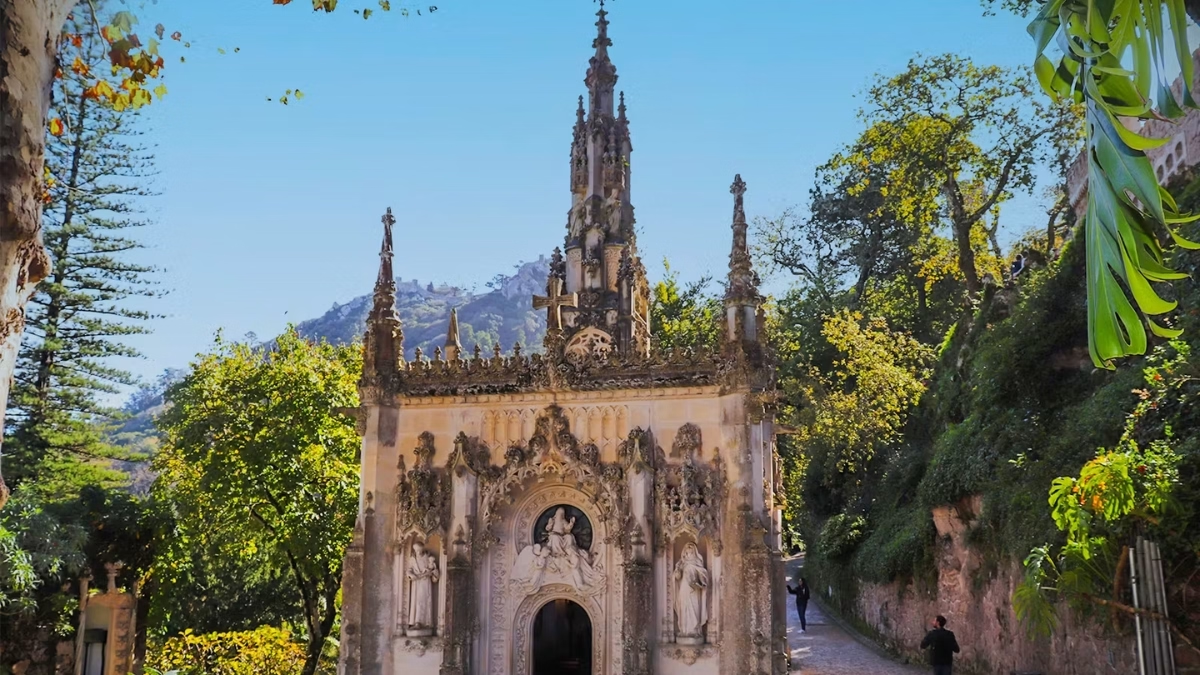
The Chapel at Quinta da Regaleira is a small, ornate Catholic chapel decorated with frescoes, stained glass and esoteric symbols worked into its floor and ceiling. Beneath it lies a crypt, and hidden within the structure is a discreet entrance that links the chapel into the estate’s underground tunnel system. It sits beside the palace and closes 30 minutes before the gardens, so see it early.
Standing just a few steps from the palace, the Chapel looks at first like a conventional place of worship — until you notice the pentagrams, the layered religious imagery and the sense that its symbolism is pointing in two directions at once. Like everything António Augusto Carvalho Monteiro built here, the chapel fuses orthodox Catholic devotion with the Masonic, Templar and alchemical ideas that run beneath the whole estate, quite literally in this case.
This guide covers the chapel’s frescoes and stained glass, the esoteric symbolism in its floor and ceiling, the crypt below, and the hidden passage that ties the chapel into Regaleira’s underground world.
The Chapel at a Glance
| Detail | The Regaleira Chapel |
|---|---|
| Type | Small private Catholic chapel |
| Decoration | Frescoes, stained glass, carved and inlaid symbolism |
| Below | A crypt |
| Hidden feature | A concealed entrance into the tunnel system |
| Location | Beside the palace |
| Closing time | 30 minutes before the gardens |
Frescoes & Stained Glass
The chapel is compact but densely decorated, and it rewards a slow, careful look. The walls and ceiling carry frescoes and painted religious scenes, while stained-glass windows filter colored light across the interior — imagery of the Holy Trinity, the Annunciation and saints among them. The craftsmanship matches the standard set by the palace next door, with the same Neo-Manueline richness worked into a much smaller space.
What makes the chapel unusual is how the sacred imagery sits alongside symbols from other traditions. A conventional visitor sees a beautiful private chapel; a visitor who knows the estate’s language sees a carefully coded statement about the unity Carvalho Monteiro believed connected Christianity, Freemasonry and older mystery schools. The layering is intentional, and it is the reason the chapel repays more than a passing glance.
The Esoteric Floor Symbolism
The chapel floor and ceiling carry esoteric symbols alongside the Catholic imagery — most strikingly a pentagram set into the design, plus motifs linked to the Knights Templar and Freemasonry. Rather than contradicting the Christian decoration, these are meant to suggest a hidden unity between faiths and traditions, the central idea Carvalho Monteiro built the whole estate to express. Look down as well as up.
The floor is where many visitors are caught off guard. Inlaid into the chapel’s decorative scheme are symbols that read as anything but conventional — a pentagram most notably — that align the chapel with the Freemasonry and Templar symbols found across the property. For Carvalho Monteiro, these weren’t in tension with the Catholic imagery above; they were part of the same message about a deeper unity linking the world’s spiritual traditions.
None of this is explained on-site, which is why the chapel is one of the estate’s most misunderstood stops. To grasp what the symbolism is actually saying, it helps to read it in the context of the estate’s wider symbolism and secret history, or to have it decoded in person by a guide.
The Crypt Beneath
Below the chapel floor lies a crypt, reached by a stairway, adding a subterranean layer to a building that already blends the sacred and the hidden. The crypt reinforces the estate’s recurring theme of descent — going down into the earth as a symbolic act — that reaches its fullest expression at the Initiation Well. It’s a small, atmospheric space, and it prepares you for the idea that the chapel is not just a building on the surface but a threshold to what lies beneath.
The crypt is easy to miss if you only glance into the chapel from the doorway, so step inside and look for the way down. It’s one of the quieter corners of the estate and rarely crowded, even when the gardens above are busy.
The Hidden Tunnel Entrance
Concealed within the chapel is a discreet entrance that connects it to Quinta da Regaleira’s underground tunnel network — the same rock-lined system that links the two wells, the Cascade lake and the gardens. The chapel is therefore not a dead end but a node in the estate’s underground circuit, deliberately tying its religious symbolism to the “journey through darkness” the tunnels represent.
This is the detail that sets the chapel apart from any ordinary chapel: it doubles as a doorway underground. A concealed passage links the chapel into the estate’s underground tunnels, the network of grottoes and rock-lined corridors that also connects the Initiation Well, the Unfinished Well and the Cascade lake. The design is deliberate — the chapel’s message of hidden unity is made literal by a physical passage from the sacred space above into the symbolic underworld below.
Because the tunnel system is entered and navigated as part of the wider estate, most visitors experience the chapel and the tunnels as connected pieces of a single journey rather than separate sights. Seeing the link firsthand is one of the moments that makes Regaleira feel less like a garden and more like a puzzle built in stone.
Planning Your Chapel Visit
The chapel sits right beside the palace, so the two are naturally seen together, and both close 30 minutes before the gardens — around 6:00 PM in winter and 7:00 PM in summer. If you’re arriving later in the day, prioritize the chapel and palace before they shut, then explore the grounds afterward. Entry is included in general admission, with no separate ticket for the chapel.
The estate is busiest through late morning, when the queue at the Initiation Well builds, so an early timed slot gives you the calmest look at the chapel’s detail. A skip-the-line ticket secures that slot in advance, while a guided tour is the surest way to have the chapel’s layered symbolism explained as you stand in it.
Frequently Asked Questions
What is special about the Regaleira Chapel?
It’s a small private Catholic chapel that blends orthodox religious decoration — frescoes, stained glass and saints — with esoteric symbols drawn from Freemasonry, the Knights Templar and alchemy. Below it lies a crypt, and hidden within is an entrance to the estate’s tunnel system. The chapel expresses Carvalho Monteiro’s belief in a hidden unity linking different spiritual traditions, making it far more than a conventional chapel.
What symbols are in the chapel?
Alongside Catholic imagery of the Trinity, the Annunciation and saints, the chapel contains esoteric motifs including a pentagram worked into its design, plus symbols tied to the Templars and Freemasonry. These sit intentionally alongside the Christian decoration to suggest a deeper unity rather than a contradiction. Because none of it is labeled on-site, the symbolism is easy to miss without an audio guide or a live commentary.
Is there really a tunnel connected to the chapel?
Yes. A concealed entrance within the chapel links it to Quinta da Regaleira’s underground tunnel network — the same rock-lined system of grottoes and passages that connects the two wells, the Cascade lake and the gardens. The chapel is a node in that underground circuit, not a dead end, tying its religious symbolism directly to the estate’s “journey through darkness” theme.
Can you go into the crypt?
Yes. A stairway leads down from the chapel to a crypt beneath it, a small and atmospheric space that reinforces the estate’s recurring theme of descent into the earth. It’s easy to overlook if you only glance in from the doorway, so step inside and look for the way down. The crypt is one of the estate’s quieter corners and rarely crowded.
How is the chapel different from the underground tunnels?
The chapel is a decorated building on the surface, focused on frescoes, stained glass, the crypt and its esoteric symbolism, whereas the underground tunnels are the wider network of rock-lined grottoes beneath the gardens. The chapel connects into that network through a hidden entrance, but the tunnels themselves are usually entered from the base of the Initiation Well and explored as a separate part of the visit.
Do I need a separate ticket for the chapel?
No. Entry to the chapel and its crypt is included in general estate admission — there’s no separate charge and no separate booking. One ticket covers the whole property, including the chapel, palace, wells, tunnels and gardens. Because entry is by timed slot, booking ahead mainly secures your preferred arrival time rather than buying access to any single feature.
When does the chapel close?
The chapel closes 30 minutes before the gardens, like the palace — around 6:00 PM in the winter half of the year (October to March) and 7:00 PM in summer (April to September). If you arrive late in the day, see the chapel and palace first before they shut. Hours can change for events, so confirm your date on the official site before visiting.
Is the chapel worth seeing?
Yes. It’s compact but one of the most rewarding stops on the estate for anyone interested in symbolism, packing frescoes, stained glass, a crypt and a hidden tunnel entrance into a small space. The layered meaning is what makes it memorable, but because nothing is explained on-site, it’s far more rewarding with an audio guide or a guided tour to decode what you’re looking at.
