
The Grottoes of Quinta da Regaleira — Sintra 2026 Guide
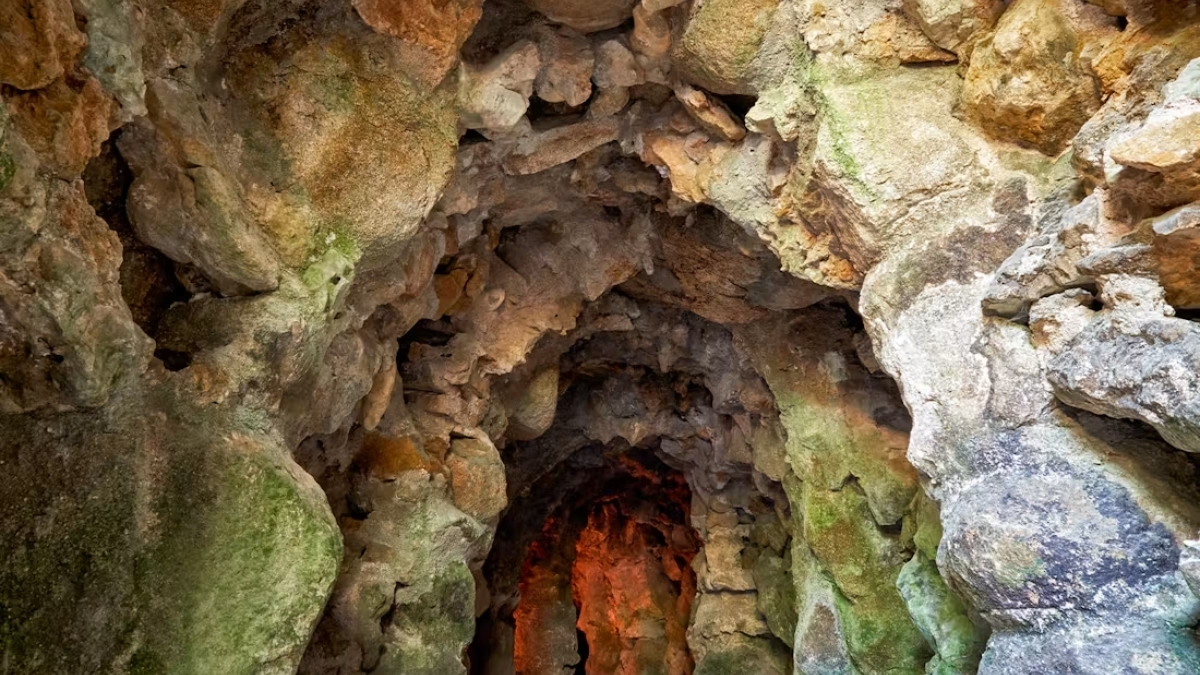
The grottoes at Quinta da Regaleira are artificial rock caves built into the hillside, several of which conceal the entrances to the estate’s underground tunnels. Constructed between 1904 and 1910 as part of Luigi Manini’s Romantic design, they range from shallow niches to dark chambers you can walk through. Inside, the floors are damp and uneven and there is little to no lighting, so tread carefully and bring a phone torch.
Regaleira’s grottoes are the estate’s sleight of hand. A dark opening in the rockwork that looks like a decorative recess often turns out to be a doorway, and stepping into it drops you into a passage that resurfaces somewhere else entirely. They are what makes the estate feel less like a garden and more like a puzzle carved into the hillside.
This guide focuses on the grottoes themselves — how they were built, how they hide the tunnel entrances, the atmosphere inside, which ones to look for, and what to expect from the footing and the dark.
What the Grottoes Are
The grottoes are man-made rock caves, not natural formations. They were built into the garden’s terraced hillside during the estate’s construction between 1904 and 1910, faced with rough stone to look like weathered natural caverns. Some are shallow ornamental recesses; others are genuine chambers and connecting passages that form part of the estate’s underground network.
Everything you see is designed. Architect Luigi Manini and his team shaped these caves as deliberate features of a Romantic landscape, using rough, mossy stonework so they read as ancient and natural. The effect is convincing — inside, they feel geological rather than architectural. That artifice is the point: the grottoes were meant to evoke mystery and the underworld, in keeping with the estate’s dense esoteric symbolism. They sit within the wider gardens, grottoes and lakes as one layer of a landscape built to disorient and delight.
How They Hide the Tunnel Entrances
Many grottoes are not dead ends — their shadowed backs open into the estate’s tunnel system. A recess that looks solid frequently conceals a low passage, so you can enter a cave at one point in the gardens and emerge from a completely different grotto elsewhere. The most famous link is the tunnel from the Initiation Well, which delivers you out through a grotto beside the lakes.
The grottoes and the tunnels are really one feature. The caves are the visible mouths of a hidden network, and the estate is designed so that you stumble on connections rather than being shown them. Walk into a dark chamber expecting a wall and you may find a passage curling away into the hillside. The clearest example is the descent of the Initiation Well: at the bottom you step into a tunnel that winds through the rock and releases you, blinking, from a grotto by the water. For a full map of where each passage leads, see our guide to the underground tunnels.
The Atmosphere Inside
Stepping from the bright, planted gardens into a grotto is a sharp change. The air turns cool and damp, sound deadens, and the rough walls close in. In summer this is a welcome relief from the heat; year-round it is the estate’s most atmospheric moment, especially when a passage narrows to single file and the light from the entrance fades behind you. The grottoes were built to feel like a descent into another world, and they still land that way, particularly if you pause and let your eyes adjust rather than hurrying through toward the next patch of daylight.
The Main Grottoes to Find
Several grottoes are worth seeking out specifically. The grotto behind the Cascade Lake’s waterfall is among the most photogenic, tucked behind the falling water where the stepping stones cross — our guide to the Cascade Lake and stepping stones covers that corner in full. The exit grotto from the Initiation Well is the one everyone remembers, appearing suddenly by the lakes after the dark tunnel walk. Others are smaller, unmarked recesses scattered along the lower paths, easy to miss if you stick to the main route. Part of the pleasure is treating them as a scavenger hunt — check the shadows behind the rockwork, and you’ll find openings that aren’t signposted. A guided tour will point out the ones most visitors walk straight past.
Footing, Lighting and Safety
Inside the grottoes there is little or no artificial lighting, and the stone floors are uneven and often wet from seepage and the estate’s water features. Passages can narrow and lower to single file. Wear sturdy, grippy shoes, use your phone as a torch in the darker stretches, watch your head, and take the tunnels slowly rather than rushing through the dim sections.
The grottoes are the estate’s least accessible feature. Floors are natural rock, slick in places, and the darkness means you can’t always see where to put your feet. There are no handrails in the passages, and low ceilings mean taller visitors need to duck. None of this is dangerous if you slow down, but it rules the tunnels out for anyone unsteady on their feet, and it’s why the whole estate is unsuitable for wheelchairs and strollers. A phone torch makes a real difference in the longer passages. If you’d rather have someone guide you through the darker connections and explain what each grotto represents, a guided tour leads the way.
Frequently Asked Questions
Are the grottoes at Quinta da Regaleira natural or man-made?
They are man-made. The grottoes were built into the hillside during the estate’s construction between 1904 and 1910, faced with rough stone so they resemble natural caves. Architect Luigi Manini designed them as part of a Romantic landscape meant to evoke mystery and the underworld, so the caves are deliberate follies rather than geological features, even though they feel convincingly natural inside.
Do the grottoes connect to the tunnels?
Yes. Many grottoes are not dead ends; their shadowed backs open into the estate’s underground tunnel network. You can enter a cave at one point and emerge from a different grotto elsewhere in the gardens. The best-known link is the tunnel from the Initiation Well, which winds through the rock and delivers you out of a grotto beside the lakes.
Can you walk through the grottoes?
Some of them, yes. Several grottoes are genuine chambers and passages you can walk through as part of the tunnel system, while others are shallow ornamental recesses. The walkable ones are dark, damp and narrow, sometimes single file, so you move slowly. A phone torch helps, and sturdy shoes are essential on the uneven rock floors.
Are the grottoes dark inside?
Very. There is little to no artificial lighting inside the grottoes and tunnels, so the longer passages are genuinely dark once the entrance light fades behind you. Use your phone as a torch, let your eyes adjust before moving deeper, and watch your footing on the wet, uneven stone. The darkness is part of the atmosphere the design intends.
Which grottoes are the best to see?
The grotto behind the Cascade Lake waterfall is the most photogenic, hidden behind the falling water by the stepping stones. The exit grotto from the Initiation Well is the most memorable, appearing suddenly by the lakes after the dark tunnel walk. Smaller unmarked recesses line the lower paths, so check the shadows behind the rockwork to find the ones most visitors miss.
Are the grottoes safe to enter?
They are safe if you take care. The floors are uneven natural rock, often wet, with no handrails and some low ceilings, so slow down and watch your head and feet. Anyone unsteady on their feet should be cautious, and the passages are unsuitable for wheelchairs or strollers. Grippy shoes and a torch make the darker stretches much easier.
Are the grottoes wheelchair accessible?
No. The grottoes and their connecting tunnels have uneven rock floors, steps, narrow single-file sections and no lighting or handrails, so they are not accessible for wheelchairs or strollers. This is true of much of the estate, which is a steep, cobbled hillside. Visitors with mobility limits can still enjoy the palace and some lower garden paths.
Should I bring a flashlight for the grottoes?
A dedicated flashlight isn’t essential, but a light of some kind is genuinely useful. Most visitors use a phone torch, which is enough to pick out the footing in the darker passages and tunnels. Without any light you can still get through the main routes, but you’ll move cautiously; with one, the longer grotto connections are far easier and more enjoyable.
